Florencio
Pedro PáramoFlorencio is the absent beloved at the center of Susana San Juan’s memories of desire and loss. The novel supplies no account of his background, their meeting, or the circumstances of his death. It defines him instead through the force of Susana’s recollection: she remembers physical intimacy with him and understands that he is dead, yet his absence remains a living ache. His limited appearance is therefore significant not because the narrative develops his life, but because it shows how completely his memory continues to occupy hers.
Identity and Place in Susana’s Memory
Florencio emerges through fragments of Susana’s dreams and inward recollections rather than through an independent scene of his own. A voice tells her that he is dead, and her mind turns at once to the possibility that the announcement concerns her Florencio. The uncertainty surrounding the message does not erase her recognition of the loss: she says she already knew. The narrative offers no explanation of how or when she learned of his death, leaving that knowledge as part of the private world she carries within her.
The fragments identify him as someone Susana desired and remembers with intimate tenderness. They do not establish his family, social position, or history, and they do not describe the circumstances that brought the two together. What is clear is the emotional distinction she makes between knowing that he is dead and being able to accept what that death means. The news can be repeated to her, but it does not make the loss newly comprehensible or lessen its hold.
Remembered Intimacy
Susana’s memory gives the relationship a strikingly physical form. She recalls placing her cold feet between the man’s legs, where they warmed as if in an oven, and remembers his playful comparison of them to little loaves browning there. The tenderness of this image sits beside a more intense recollection of their bodies together: she remembers being held close, feeling herself yield, and the encounter progressing through sensations that the narrative describes as painful, warm, and then gentle. These details support the impression of sexual intimacy without supplying a broader account of their relationship.
The memory is not merely an image of past pleasure. Its movement from warmth and closeness toward bodily intensity culminates in the recognition that his death hurt her still more. The contrast makes grief inseparable from desire: what she longs for is not an abstract return to the past but the lost person’s living body and presence. The novel presents that longing through sensation rather than through an explanation of what the relationship meant to either of them. Florencio remains most vivid where the narrative is least biographical.
Death and Its Afterlife
Florencio’s death reaches Susana through a message spoken by a man whose image is indistinct to her. His voice seems as dry as parched earth, while a veil of rain appears to blur his figure. Even the identity of the Florencio being named briefly becomes uncertain to Susana before she wonders whether the message concerns her own beloved. The announcement therefore arrives as both information and a distorted recollection: the fact of death is stated, but its messenger and the moment of its reception resist clarity.
Susana’s response makes plain that prior knowledge has not brought relief. She asks why she did not weep and drown herself in tears, imagining grief as something that might wash away her anguish. Instead, her thoughts turn toward the body she can no longer reach and the physical closeness she has lost. The language of remembered intimacy gives the death an ongoing consequence: Florencio is absent, but the bodily desire associated with him persists, leaving Susana with a sense of loss that no announcement can resolve.
Narrative Role and Significance
Florencio’s story is deliberately partial. The reader learns that he is dead and that Susana remembers an intensely physical bond with him, but receives no independent confirmation of the relationship’s history or of the circumstances of his death. This absence of explanation keeps attention on the way memory works in Susana’s consciousness: a name is spoken, a figure blurs behind rain, and recollection moves abruptly from an announcement of death to the textures of intimacy and longing.
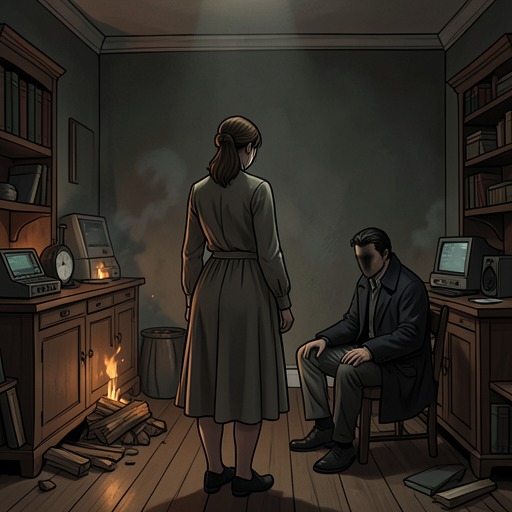
In the same sequence of dreams and agitation, Pedro Páramo stands near the door watching Susana and counting the seconds. The lamp’s oil crackles as its flame weakens. Against that present vigil, Florencio belongs to the past that continues to stir within Susana, not to the room’s visible action. His narrative importance lies in this contrast: Pedro watches the duration of her dream, while the dream returns her to a desire and grief that he cannot make present or settle. Florencio’s brief, indirect presence thus helps convey the distance between Susana’s inward life and the people who observe her from outside it.